
Blog
Black Dahlia Flower: The Powerful Mystery Behind This Stunning Near-Black Bloom

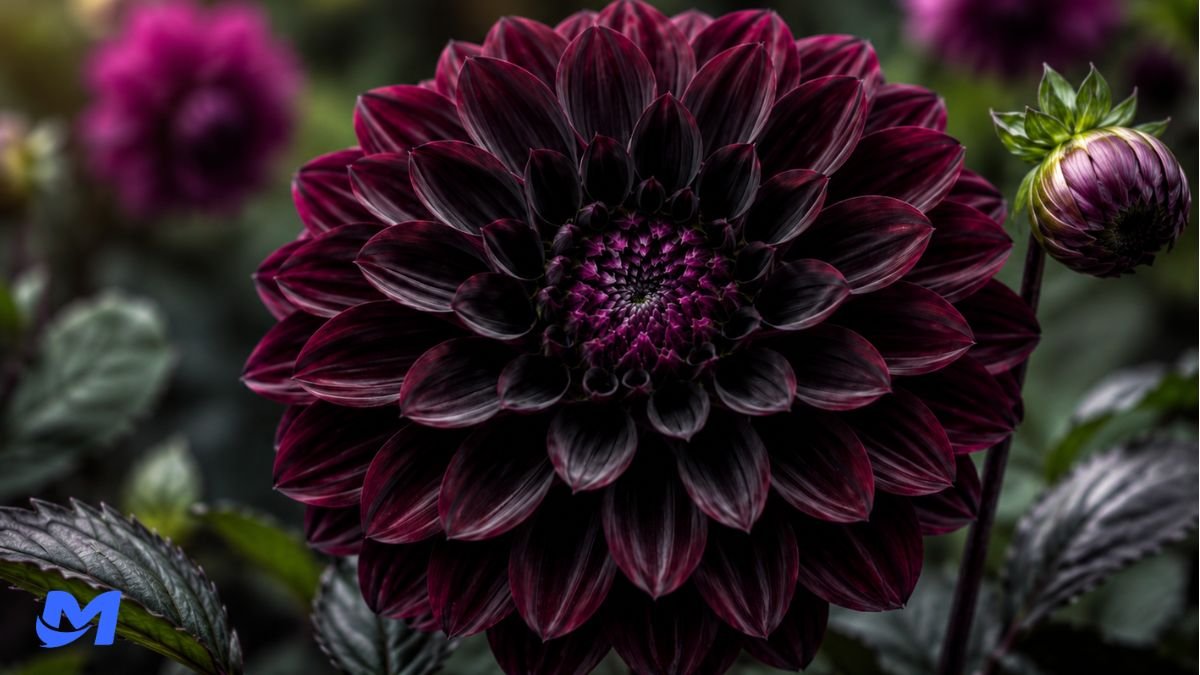
The black dahlia flower is one of the most mysterious and dramatic-looking flowers in the garden world. Its dark, velvety petals often appear black at first glance, giving it a bold, luxurious, and almost gothic beauty. However, from a botanical point of view, a naturally pure black dahlia does not truly exist. What people call a black dahlia is usually a very deep red, burgundy, maroon, or purple dahlia with such strong pigment concentration that the petals seem nearly black, especially in low light or shaded areas. This unique colour effect makes the flower highly attractive for gardeners, florists, photographers, and anyone who loves unusual plants with strong visual character.
What Is a Black Dahlia Flower?
A black dahlia flower is not a separate natural species of dahlia. Instead, it is a name commonly used for dark dahlia cultivars that have been carefully bred to produce extremely rich and deep colours. These flowers belong to the Dahlia genus, a group of flowering plants known for their wide range of colours, shapes, and sizes. Dahlias can be small, simple, and daisy-like, or they can be large, layered, and highly decorative. The so-called black varieties stand out because their petals absorb a lot of light, creating a deep and shadowy appearance that feels elegant and mysterious.
The colour of a black dahlia is usually created by dense natural pigments in the petals. In bright sunlight, the flower may show hidden tones of wine-red, plum, chocolate, or dark burgundy. In evening light, shade, or indoor floral photography, the same bloom may look almost jet-black. This colour-changing quality is one reason the black dahlia flower has become so popular in modern gardens and dramatic flower arrangements.
Why the Black Dahlia Flower Looks Almost Black
The near-black effect of the black dahlia flower comes from the way pigment and light interact. True black petals would reflect almost no visible colour, but most flowers do not naturally produce that kind of pure black pigment. Instead, dark dahlias contain very high concentrations of red, purple, and maroon pigments. When these pigments are packed densely into the petals, they create a colour so dark that the human eye reads it as black.
The texture of the petals also matters. Many dark dahlias have a velvety surface that softens reflected light. This makes the bloom appear deeper and richer than a smooth, shiny petal would. The result is a flower that can look dramatic from a distance and even more complex up close. When viewed carefully, a black dahlia often reveals warm undertones that make it more beautiful than a flat black flower would be.
Popular Black Dahlia Flower Varieties
Several dahlia cultivars are famous for their dark and dramatic appearance. Dahlia ‘Arabian Night’ is one of the most recognized varieties linked with the black dahlia look. It produces double flowers in a deep red shade that can appear almost black in certain light. Its rich, velvety petals make it a favourite for elegant borders and cut-flower displays.
Dahlia ‘Karma Choc’ is another admired dark variety. It is known for its deep maroon-red flowers and refined appearance. The colour often looks like dark chocolate mixed with burgundy, which gives the bloom a warm but intense beauty. This variety is also valued as a cut flower because its strong stems and rich colour work beautifully in bouquets.
Dahlia ‘Rip City’ is a bold semi-cactus variety with reddish-black petals and a dark centre. Its pointed petals give it a sharper, more sculptural form than many decorative dahlias. This makes it perfect for gardeners who want a flower that feels powerful, artistic, and slightly wild. Other dark dahlias may also be sold under names that suggest mystery, night, chocolate, or obsidian, but gardeners should remember that these flowers are usually dark red or purple rather than truly black.
Symbolism and Meaning of the Black Dahlia Flower
The black dahlia flower carries a strong symbolic meaning because of its unusual colour. In many floral interpretations, dark flowers are connected with mystery, elegance, strength, transformation, and deep emotion. Unlike soft pink or white flowers, which often feel gentle and romantic, the black dahlia has a bold and unforgettable personality. It can represent inner strength, individuality, and the courage to stand apart from ordinary beauty.
Because of its dramatic appearance, the black dahlia is often used in artistic floral arrangements, gothic-inspired weddings, luxury events, and modern home decor. It can add depth and seriousness to a bouquet, especially when paired with pale flowers such as cream roses, white dahlias, blush peonies, or soft greenery. The contrast makes the dark petals appear even richer and more intense.
How to Grow Black Dahlia Flowers
Growing a black dahlia flower is not very different from growing other dahlia varieties. Dahlias generally prefer a sunny location with fertile, well-drained soil. They need enough sunlight to produce strong stems and healthy blooms, so a spot that receives several hours of direct sun each day is ideal. The soil should be rich in organic matter but not waterlogged, because dahlia tubers can rot if they sit in too much moisture.
Dahlia tubers are usually planted after the danger of frost has passed. In cooler climates, gardeners often start the tubers indoors or plant them outside once the soil has warmed. The tuber should be placed carefully in the soil, with the growing point facing upward. As the plant grows, taller varieties may need support because large blooms can become heavy, especially after rain or wind.
Regular watering is important, but it should be balanced. Dahlias need moisture during active growth, yet they do not enjoy soggy soil. A deep watering schedule is better than light watering every few hours. Adding mulch around the base of the plant can help keep the soil moist and reduce weeds. Once the plant begins producing buds, feeding it with a suitable flower fertilizer can encourage stronger blooming.
Care Tips for Healthy Dark Dahlia Blooms
To keep a black dahlia flower looking beautiful, gardeners should remove faded blooms regularly. This process, known as deadheading, encourages the plant to produce more flowers instead of spending energy on seed production. It also keeps the plant looking clean and attractive throughout the growing season.
Dark dahlias can sometimes show sun fading if exposed to harsh afternoon heat for long periods. While they need sunlight, a location with morning sun and some protection from extreme afternoon heat can help preserve the depth of the petal colour. Good air circulation is also important because dahlias can be affected by mildew or fungal problems in damp conditions.
At the end of the season, gardeners in cold climates often lift the tubers and store them in a cool, dry, frost-free place. This protects the plant from winter damage and allows it to be replanted the next year. In warmer climates where the ground does not freeze, dahlia tubers may survive outdoors with proper protection.
Best Garden and Bouquet Uses
The black dahlia flower is extremely useful in garden design because it creates contrast. In flower beds, it looks stunning beside white, cream, peach, pale pink, silver, or lime-green plants. These lighter colours help the dark dahlia stand out, making the garden feel more layered and dramatic. It can also be planted with ornamental grasses or dark foliage plants for a sophisticated, modern look.
In bouquets, black dahlias add depth and mood. They are often used in autumn arrangements because their colours match the richness of the season. They also work beautifully in wedding flowers when the theme is romantic, vintage, gothic, or luxury-inspired. A single dark dahlia can become the focal point of a bouquet, while several blooms can create a bold statement arrangement.
Common Misunderstandings About the Black Dahlia Flower
One common misunderstanding is that the black dahlia is naturally pure black. In reality, its colour is usually a deep mix of red, purple, burgundy, or maroon. Another misunderstanding is that black dahlias are difficult to grow because they look rare or exotic. While some cultivars may be harder to find than common garden dahlias, their care needs are generally similar to other varieties.
People may also confuse the flower with the name “Black Dahlia” from crime history or popular culture. However, the garden flower itself is simply a beautiful ornamental plant. Its appeal comes from colour, texture, and symbolism, not from any dark story. For gardeners and flower lovers, the black dahlia is best appreciated as a unique bloom that brings elegance and mystery to natural spaces.
Conclusion
The black dahlia flower is a powerful example of how nature and careful breeding can create the illusion of true black beauty. Although no pure black dahlia exists in the botanical sense, dark cultivars such as ‘Arabian Night,’ ‘Karma Choc,’ and ‘Rip City’ come impressively close with their deep red, burgundy, maroon, and purple tones. Their velvety petals, dramatic presence, and rich symbolism make them ideal for gardens, bouquets, events, and artistic floral displays. With proper sunlight, fertile soil, balanced watering, and regular care, black dahlias can reward gardeners with unforgettable blooms from summer into autumn. For anyone who wants a flower that feels elegant, mysterious, and bold, the black dahlia remains one of the most striking choices available.
FAQs
1. Is the black dahlia flower truly black?
No, the black dahlia flower is not truly black in a botanical sense. Its petals are usually very deep shades of red, burgundy, maroon, or dark purple. These colors can appear almost black because the petals contain a high concentration of dark pigments.
2. What does the black dahlia flower symbolize?
The black dahlia flower is often linked with mystery, elegance, strength, individuality, and deep emotion. Because of its dramatic appearance, it is commonly used in bold garden designs, luxury bouquets, gothic-style floral arrangements, and artistic decorations.
3. Which varieties are known as black dahlias?
Popular dark dahlia varieties include Dahlia ‘Arabian Night’, Dahlia ‘Karma Choc’, Dahlia ‘Rip City’, Dahlia ‘Black Narcissus’, and Dahlia ‘Verrone’s Obsidian’. These cultivars are not pure black, but their deep tones create a near-black effect.
4. How do you grow black dahlia flowers?
The black dahlia flower grows best in a sunny location with fertile, well-drained soil. It needs regular watering, good air circulation, and support for taller stems. Removing faded flowers also helps the plant produce more blooms during the growing season.
5. Can black dahlias be used in bouquets?
Yes, black dahlias are excellent for bouquets because their dark petals add depth, contrast, and drama. They look especially beautiful when paired with white, cream, blush pink, peach, or soft green flowers.


HRMtaila Explained: The Emerging AI-Powered Approach Reshaping Modern Human Resource Management

Who Is Julie Asher-Smith? The Essential Story Behind Dina Asher-Smith’s Mother and Life Away From Fame

Who Is Graham Rooney? The Powerful Story Behind Wayne Rooney’s Brother and His Quiet Life Outside Fame

Area Code 603: The Essential Guide to New Hampshire’s Trusted Local Phone Code

Who Is Andrew Bermejo? The Essential Story Behind Sally Phillips’ Ex-Husband and Life Away From Fame

Who Is Alex Di Pasquale? The Essential Truth About Alex Di Pasquale, Anna Williamson’s Husband, and Life Away From Fame

Who Is Toni Terry? The Story Behind John Terry’s Wife and Her Life Beyond Football Fame

Who Is Kairo Walker? The Essential Story Behind Kairo Walker, Kyle Walker’s Son, and Life Away From Fame

Who Is Ninette Veale? The Powerful Real Story Behind Russell Howard’s Mother and a Life Away From Fame

Black Dahlia Flower: The Powerful Mystery Behind This Stunning Near-Black Bloom
HRMtaila Explained: The Emerging AI-Powered Approach Reshaping Modern Human Resource Management
Who Is Julie Asher-Smith? The Essential Story Behind Dina Asher-Smith’s Mother and Life Away From Fame
Who Is Graham Rooney? The Powerful Story Behind Wayne Rooney’s Brother and His Quiet Life Outside Fame
Area Code 603: The Essential Guide to New Hampshire’s Trusted Local Phone Code
Who Is Andrew Bermejo? The Essential Story Behind Sally Phillips’ Ex-Husband and Life Away From Fame
Who Is Alex Di Pasquale? The Essential Truth About Alex Di Pasquale, Anna Williamson’s Husband, and Life Away From Fame
Who Is Toni Terry? The Story Behind John Terry’s Wife and Her Life Beyond Football Fame
Who Is Kairo Walker? The Essential Story Behind Kairo Walker, Kyle Walker’s Son, and Life Away From Fame
Who Is Ninette Veale? The Powerful Real Story Behind Russell Howard’s Mother and a Life Away From Fame
Black Dahlia Flower: The Powerful Mystery Behind This Stunning Near-Black Bloom

 Celebrity5 months ago
Who Is Sarina Taylor? The Remarkable Story Behind Roger Taylor’s Private Creative Partner
- Celebrity6 months ago
Who Is Tim Dynevor? The Acclaimed Writer Behind a Famous TV Family
- Celebrity5 months ago
Who Is Caris Ball? The Remarkable Story Behind Chris Wolstenholme’s Wife
- Celebrity5 months ago
Who Is Caitlin Phaneuf? The Inspiring Life of the Woman Married to Def Leppard’s Vivian Campbell