Celebrity
Who Is Rosemary Dickinson? The Remarkable Story Behind a Private Name Linked to Royal Circles

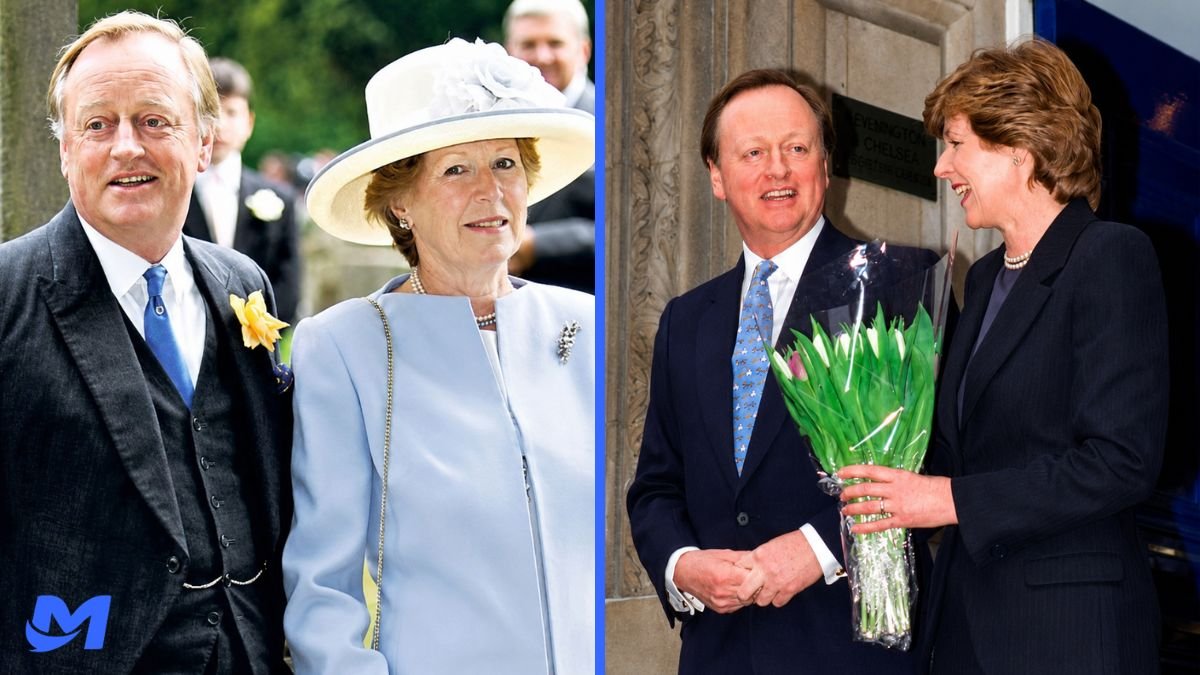
Rosemary Dickinson is a name many readers search for because of her connection to Brigadier Andrew Parker Bowles, the former husband of Queen Camilla. Also known as Rosemary Pitman and later Rosemary Parker Bowles, she drew public attention through family, marriage, and her reported work in garden design. Unlike many royal-adjacent figures, Rosemary did not cultivate a public celebrity profile. Her story is best understood through verified facts, respectful context, and a clear boundary between public interest and private life.
Quick Bio
| Full Name | Rosemary Alice Dickinson |
| Known As | Rosemary Pitman; Rosemary Parker Bowles |
| Profession | Reported as a garden designer |
| Known For | Second wife of Brigadier Andrew Parker Bowles |
| Nationality | British |
| Spouse / Partner | John Hugh Pitman; later Brigadier Andrew Parker Bowles |
| Public Association | Connected to the Parker Bowles family and British royal social circles |
| Death | January 10, 2010, near Malmesbury, Wiltshire |
Who Is Rosemary Dickinson?
Rosemary Dickinson was a British private figure best known publicly through her marriage to Brigadier Andrew Parker Bowles. Before that marriage, she was known as Rosemary Pitman after marrying Lieutenant-Colonel John Hugh Pitman.
Her public relevance sits within a wider royal-adjacent family story. Andrew Parker Bowles was previously married to Camilla Shand, now Queen Camilla, which naturally brought later interest to Rosemary’s name. Still, Rosemary Dickinson’s identity should not be reduced to that connection alone. Public references also describe her as a garden designer and mother, and coverage of her later years emphasized family, privacy, and resilience during illness.
She was not a modern celebrity in the entertainment sense. There is no comprehensive archive of interviews, television credits, public speeches, or publicity campaigns associated with her name. That makes accuracy especially important. A responsible biography should focus on what is verifiable and avoid turning a private life into speculation.
Early Life and Background
Public biographical records identify Rosemary Alice Dickinson as having been born in 1940. Some online sources differ on exact birth details, so a cautious editorial approach is to avoid overstating details that are not consistently supported across reliable public references.
Reliable public information about her childhood, education, and early family background is limited. That absence should not be treated as mysterious. It simply reflects the life of someone who was not a public official, performer, author, or regular media subject.
For readers asking “who is Rosemary Dickinson,” the most relevant and verifiable public context begins in adulthood: her marriages, her work as a garden designer, and the public association she later gained through the Parker Bowles family.
Career and Public Recognition
Rosemary Dickinson is most often described in public reports as a garden designer, a detail that gives her biography a professional identity beyond family connections. However, there is no widely available, reliable archive of named projects, awards, major commissions, or formal career milestones that can be safely presented as fact.
That does not make the detail unimportant. Garden design, especially in private British social and country-house circles, is often shaped by personal commissions, reputation, and local networks rather than public-facing celebrity. This may explain why Rosemary’s work is mentioned in public coverage without the extensive career record available for actors, broadcasters, authors, or public officials.
What can be stated responsibly is that Rosemary Dickinson was associated with garden design and remembered as a creative figure outside the headlines. Claims about specific awards, famous clients, wealth, or major design projects should be avoided unless supported by strong documentation.
Personal Life and Family Context
Rosemary Dickinson first became publicly known as Rosemary Pitman through her marriage to Lieutenant-Colonel John Hugh Pitman. Public notices and biographical records state that she had three children from that marriage.
Her second marriage brought her into a more widely recognized social context. In 1996, she married Brigadier Andrew Parker Bowles, who had divorced Camilla Parker Bowles the previous year. Andrew Parker Bowles has remained a figure of public interest because of his former marriage to Camilla, now Queen Camilla.
This connection is the main reason Rosemary Dickinson’s name appears in searches linked to the royal family. Even so, the public record suggests that she lived privately rather than seeking attention. She and Andrew Parker Bowles were married until her death in 2010.
Coverage after her death focused on her family, her illness, and the respect shown by those close to her. Funeral and memorial references also show that her life intersected with royal and military circles, but the tone of responsible coverage should remain personal rather than sensational.
Key Facts and Interesting Details
Rosemary Dickinson’s public biography relies on a small set of reliable facts rather than an extensive celebrity résumé.
She was publicly known under three names: Rosemary Dickinson, Rosemary Pitman, and Rosemary Parker Bowles.
She was reported to have worked as a garden designer, a quieter professional profile that fits the limited public coverage of her life.
She was married first to Lieutenant-Colonel John Hugh Pitman and later to Brigadier Andrew Parker Bowles.
Her second husband, Andrew Parker Bowles, was previously married to Camilla Shand, now Queen Camilla.
She married Andrew Parker Bowles in 1996, after his divorce from Camilla.
She died on January 10, 2010, after a long illness, with public notices placing her death near Malmesbury, Wiltshire.
The most responsible way to understand Rosemary Dickinson is as a private British woman whose name became publicly searchable because of a royal-adjacent marriage, not because she pursued celebrity.
Why Rosemary Dickinson Is Gaining Attention
Search interest in Rosemary Dickinson often comes from curiosity about the extended personal history around Queen Camilla, Andrew Parker Bowles, and the Parker Bowles family. As royal biographies, family trees, and dramatized royal stories continue to attract readers, names connected to major royal figures often receive renewed attention.
Rosemary’s name can also appear in several forms: Rosemary Dickinson, Rosemary Pitman, Rosemary Parker Bowles, and Rosemary Alice Dickinson. Those variations can make the public record confusing, especially when short online profiles repeat details without explaining the timeline.
Readers searching for her usually want to know who she was, how she was connected to Andrew Parker Bowles, and whether she had a public career. The answer is measured: she was a private figure, a reported garden designer, mother, and wife, whose public relevance stems mainly from family and marriage rather than personal fame.
Public Image, Privacy, and Media Interest
Rosemary Dickinson’s public image was shaped largely by coverage around her death and by later references to the Parker Bowles family. Notices described her final illness and the affection shown by family members. Those details are meaningful, but they should not be expanded into unsupported claims about lifestyle, wealth, personality, influence, or private relationships.
For celebrity biography readers, there can be a temptation to frame every royal-adjacent figure as part of a dramatic public narrative. Rosemary Dickinson deserves a more careful approach. She was connected to a famous family story, but she was not a public royal, politician, entertainer, or media personality.
That distinction matters. A responsible publication should answer the reader’s curiosity while avoiding speculation. In Rosemary’s case, the strongest article is not the longest one; it is the one that presents verified facts, gives useful context, and avoids turning a private life into gossip.
Conclusion
Rosemary Dickinson was a British private figure and reported garden designer best known publicly as Rosemary Pitman and later Rosemary Parker Bowles, the second wife of Brigadier Andrew Parker Bowles. Her name continues to draw search interest because of her connection to the Parker Bowles family and, indirectly, to Queen Camilla’s wider public story.
The verified record is limited, but it is enough to present a respectful biography: a woman with a private life, a reported creative profession, a family, and a public association that brought her name into royal-related searches. The most accurate way to remember Rosemary Dickinson is not as a celebrity seeking attention, but as a private individual whose life intersected with one of Britain’s most closely watched social circles.
More Celebrity Profiles:Who Is Sarah Adenuga? The Careful Story Behind Jme’s Private Family Life
(FAQs)
Who was Rosemary Dickinson?
Rosemary Dickinson was a British woman also known as Rosemary Pitman and Rosemary Parker Bowles. She is best known publicly as the second wife of Brigadier Andrew Parker Bowles.
What was Rosemary Dickinson known for?
Rosemary Dickinson was reported to have worked as a garden designer and became publicly known through her marriage to Andrew Parker Bowles, the former husband of Queen Camilla.
Was Rosemary Dickinson married to Andrew Parker Bowles?
Yes. Public records and reports state that Rosemary Dickinson, then known as Rosemary Pitman, married Brigadier Andrew Parker Bowles in 1996.
Did Rosemary Dickinson have children?
Public obituary coverage states that Rosemary Dickinson had three children from her first marriage to John Hugh Pitman.
When did Rosemary Dickinson die?
Rosemary Dickinson, later Rosemary Parker Bowles, died on January 10, 2010, after a long illness.


HRMtaila Explained: The Emerging AI-Powered Approach Reshaping Modern Human Resource Management

Who Is Julie Asher-Smith? The Essential Story Behind Dina Asher-Smith’s Mother and Life Away From Fame

Who Is Graham Rooney? The Powerful Story Behind Wayne Rooney’s Brother and His Quiet Life Outside Fame

Area Code 603: The Essential Guide to New Hampshire’s Trusted Local Phone Code

Who Is Andrew Bermejo? The Essential Story Behind Sally Phillips’ Ex-Husband and Life Away From Fame

Who Is Alex Di Pasquale? The Essential Truth About Alex Di Pasquale, Anna Williamson’s Husband, and Life Away From Fame

Who Is Toni Terry? The Story Behind John Terry’s Wife and Her Life Beyond Football Fame

Who Is Kairo Walker? The Essential Story Behind Kairo Walker, Kyle Walker’s Son, and Life Away From Fame

Who Is Ninette Veale? The Powerful Real Story Behind Russell Howard’s Mother and a Life Away From Fame

Black Dahlia Flower: The Powerful Mystery Behind This Stunning Near-Black Bloom
HRMtaila Explained: The Emerging AI-Powered Approach Reshaping Modern Human Resource Management
Who Is Julie Asher-Smith? The Essential Story Behind Dina Asher-Smith’s Mother and Life Away From Fame
Who Is Graham Rooney? The Powerful Story Behind Wayne Rooney’s Brother and His Quiet Life Outside Fame
Area Code 603: The Essential Guide to New Hampshire’s Trusted Local Phone Code
Who Is Andrew Bermejo? The Essential Story Behind Sally Phillips’ Ex-Husband and Life Away From Fame
Who Is Alex Di Pasquale? The Essential Truth About Alex Di Pasquale, Anna Williamson’s Husband, and Life Away From Fame
Who Is Toni Terry? The Story Behind John Terry’s Wife and Her Life Beyond Football Fame
Who Is Kairo Walker? The Essential Story Behind Kairo Walker, Kyle Walker’s Son, and Life Away From Fame
Who Is Ninette Veale? The Powerful Real Story Behind Russell Howard’s Mother and a Life Away From Fame
Black Dahlia Flower: The Powerful Mystery Behind This Stunning Near-Black Bloom

 Celebrity5 months ago
Who Is Sarina Taylor? The Remarkable Story Behind Roger Taylor’s Private Creative Partner
- Celebrity6 months ago
Who Is Tim Dynevor? The Acclaimed Writer Behind a Famous TV Family
- Celebrity5 months ago
Who Is Caris Ball? The Remarkable Story Behind Chris Wolstenholme’s Wife
- Celebrity5 months ago
Who Is Caitlin Phaneuf? The Inspiring Life of the Woman Married to Def Leppard’s Vivian Campbell